Beyond the Frame
Channel 33, the last one, is the night sky. These 13 frames are ordered by how long their light travelled to reach the camera: about a second from the Moon, two and a half million years from Andromeda.
- 01The Moon, HDR1.3 seconds
- 02Almost Full Moon1.3 seconds
- 03Almost Full Moon, from video1.3 seconds
- 04Full Worm Moon1.3 seconds
- 05The Moon at 300mm1.3 seconds
- 06The Sun, inverted8 minutes 20 seconds
- 07Jupiterbetween 33 and 53 minutes
- 08The Pleiades at 135mmabout 440 years
- 09Pleiades, California Nebula and Taurus440 to 1,000 years
- 10The Belt of Orionabout 1,300 to 2,000 years
- 11Orionfrom hundreds of years to about 1,300
- 12Cassiopeia to Andromedaup to 2.5 million years
- 13M31, the Andromeda Galaxyabout 2.5 million years
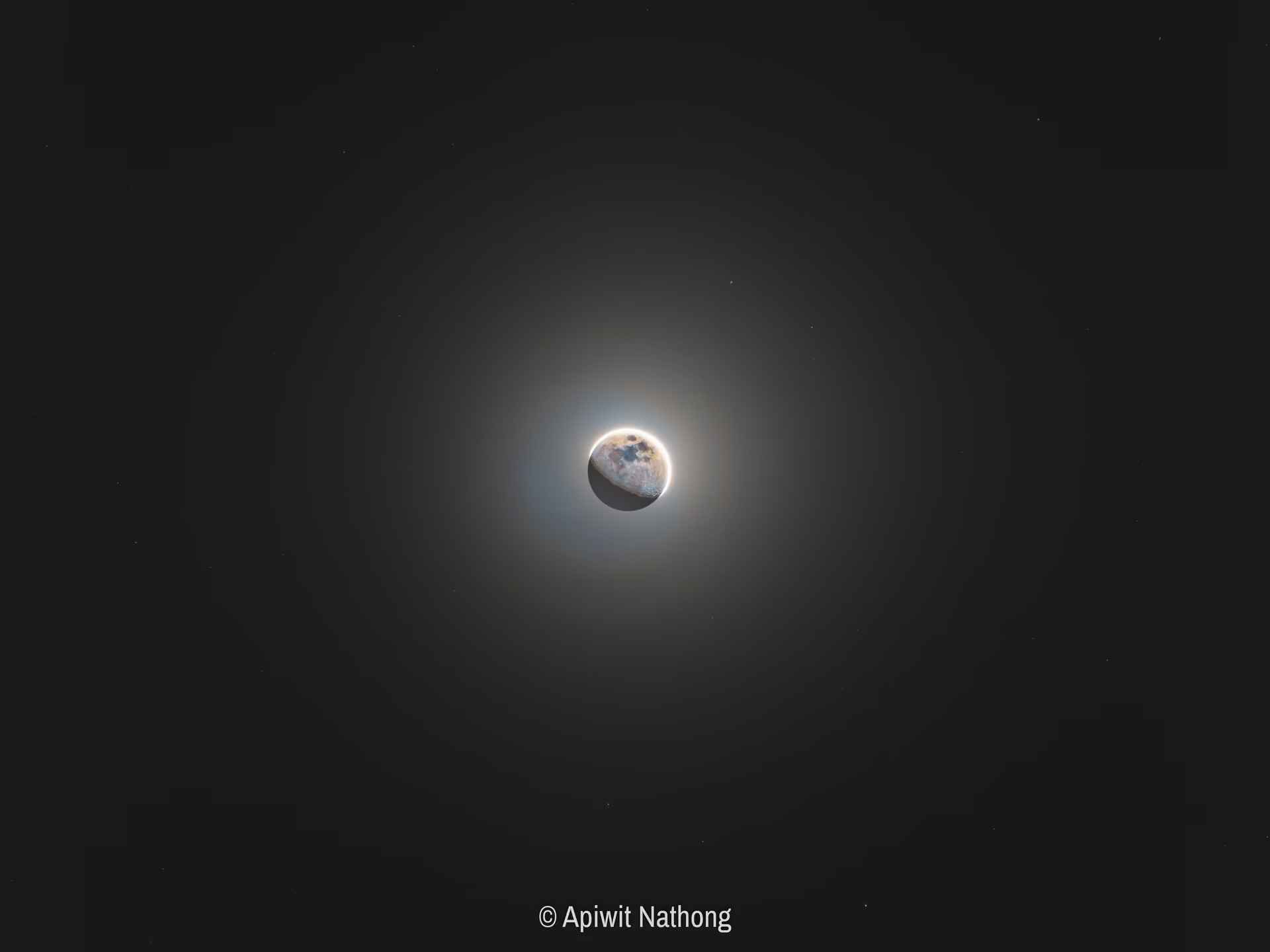
The Moon, HDR
Light travel1.3 seconds
1 of 13 · 21 December 2023
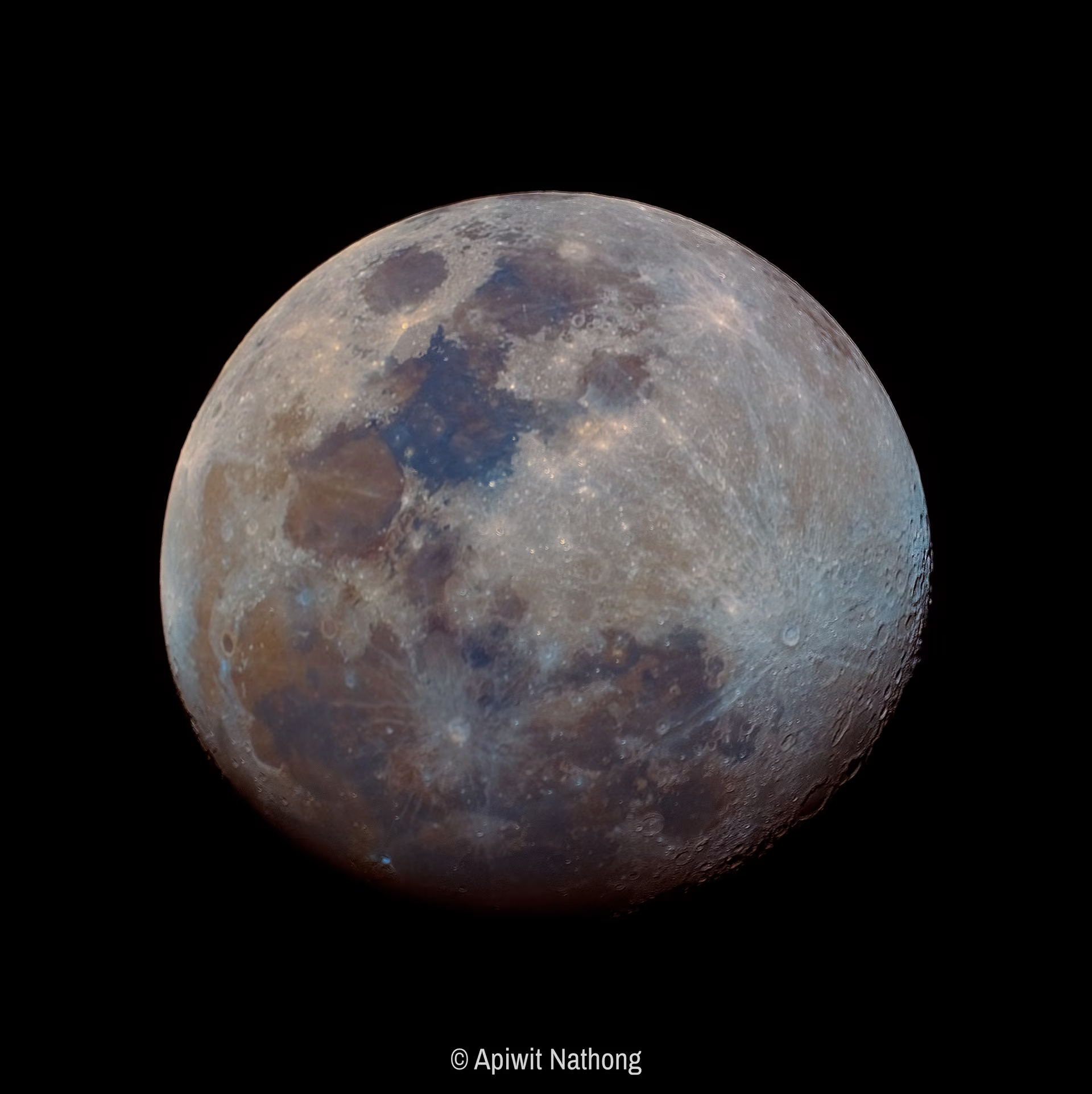
Almost Full Moon
Light travel1.3 seconds
2 of 13 · 23 March 2024
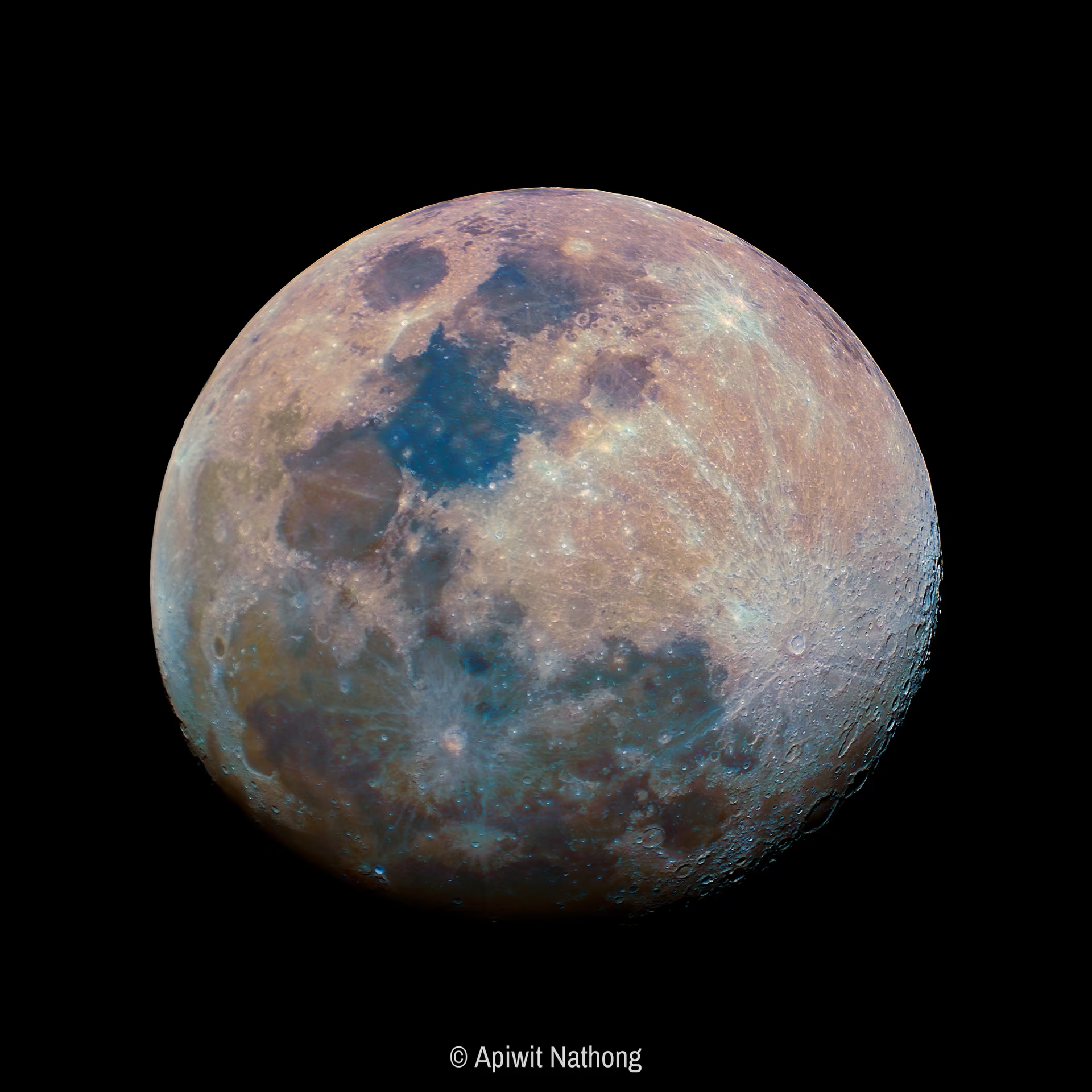
Almost Full Moon, from video
Light travel1.3 seconds
3 of 13 · 23 March 2024
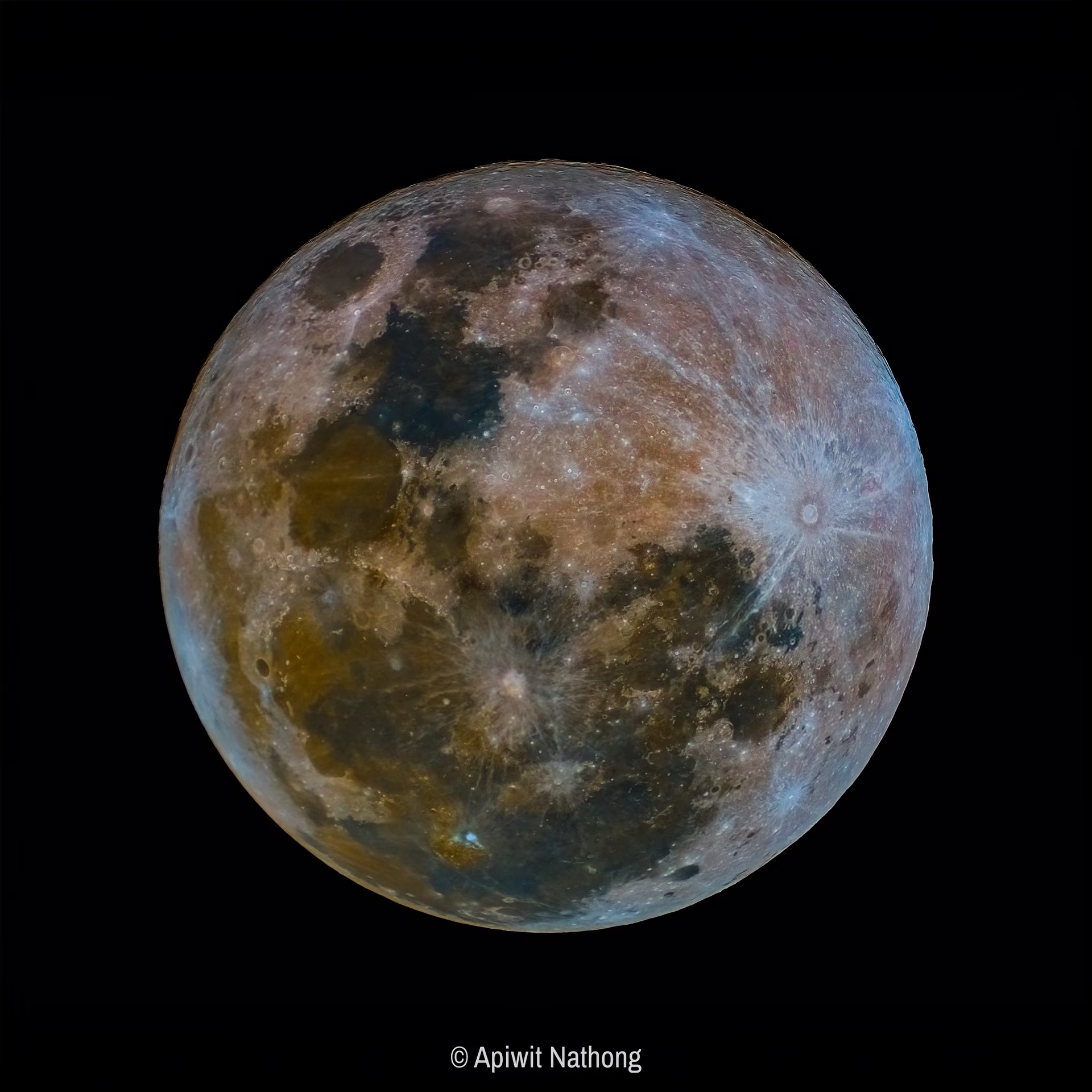
Full Worm Moon
Light travel1.3 seconds
4 of 13 · 25 March 2024
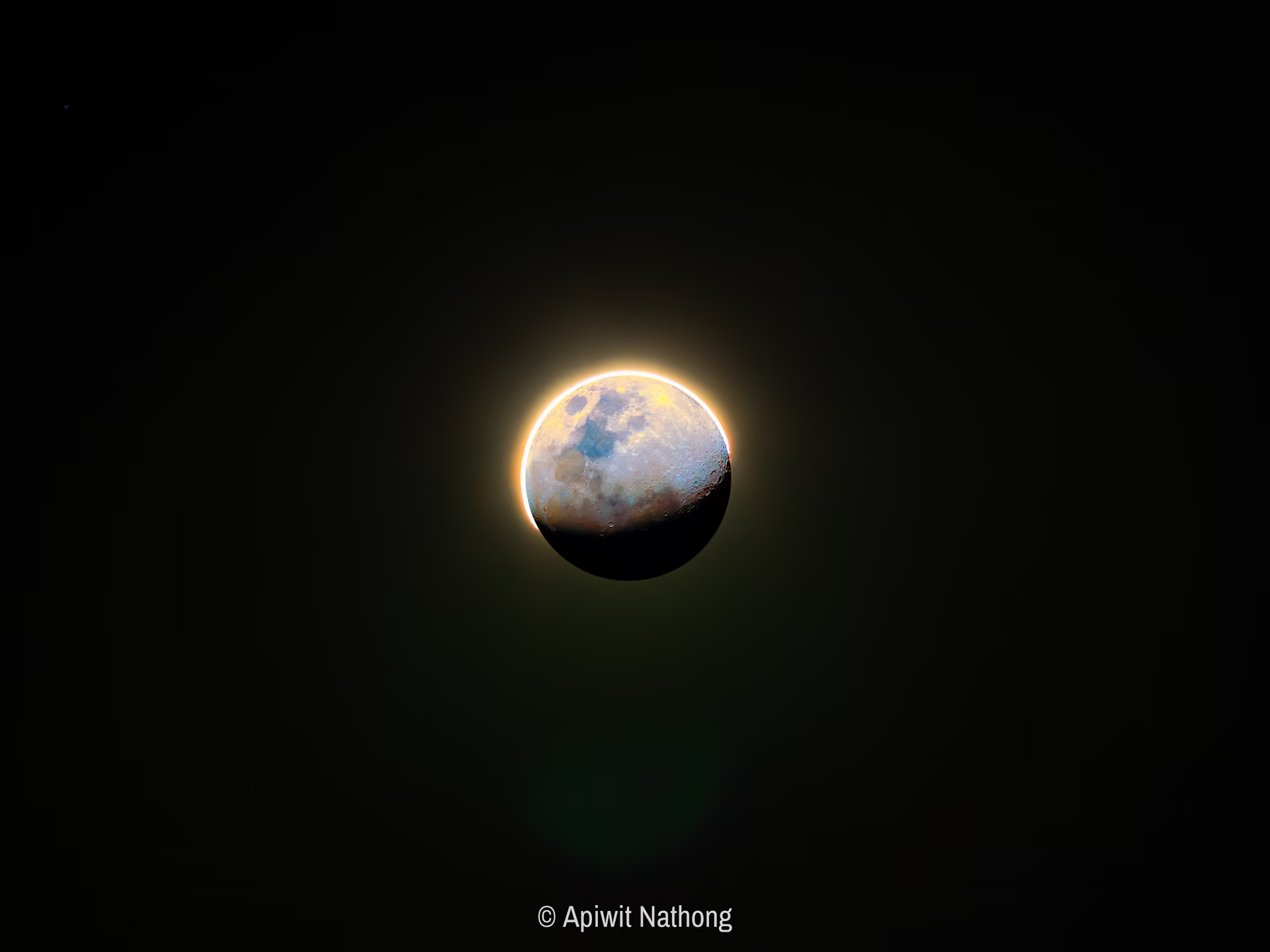
The Moon at 300mm
Light travel1.3 seconds
5 of 13 · 18 April 2024 · X-H2S · 300mm · ƒ/1 · 1s · ISO 160
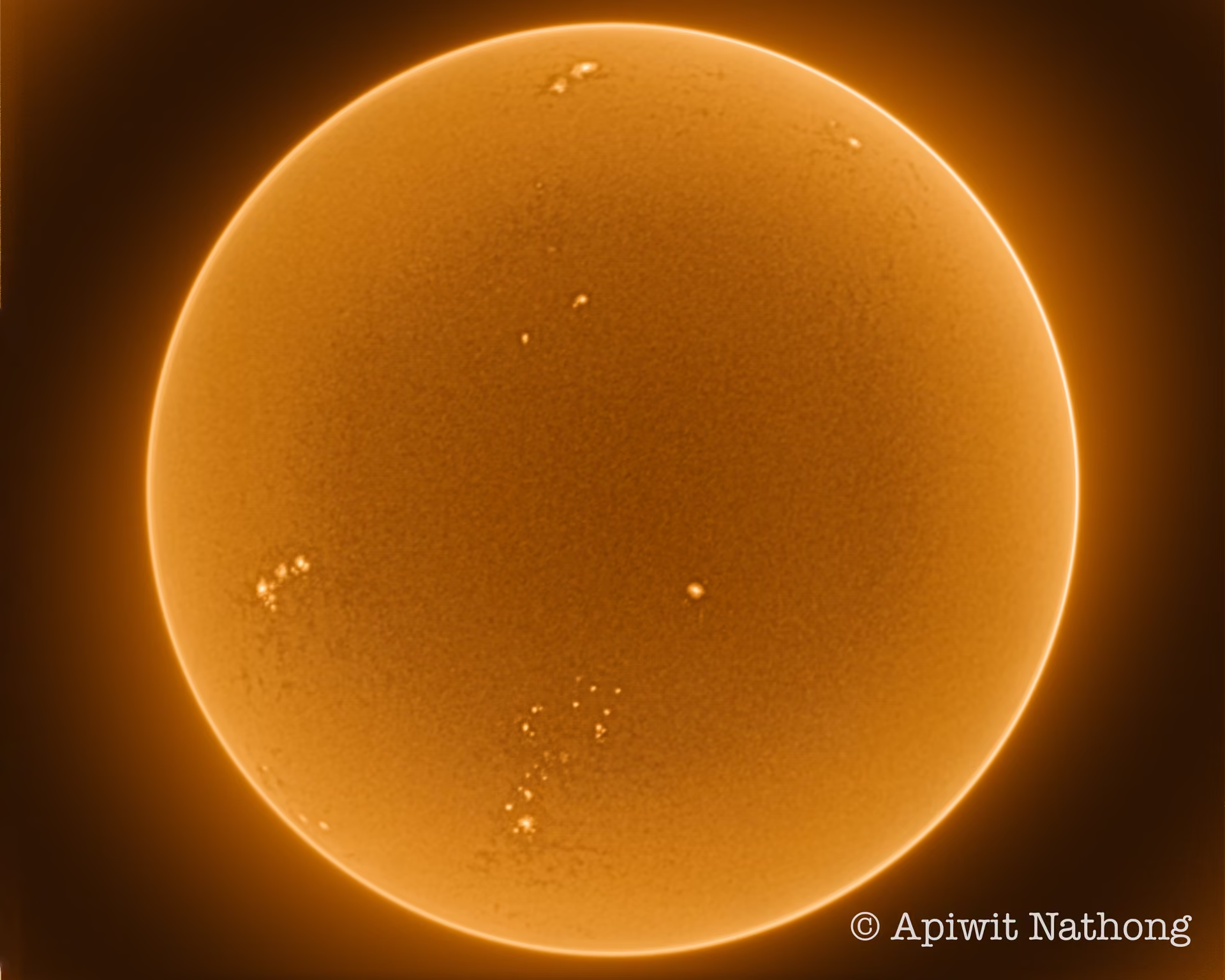
The Sun, inverted
Light travel8 minutes 20 seconds
6 of 13 · 17 April 2024
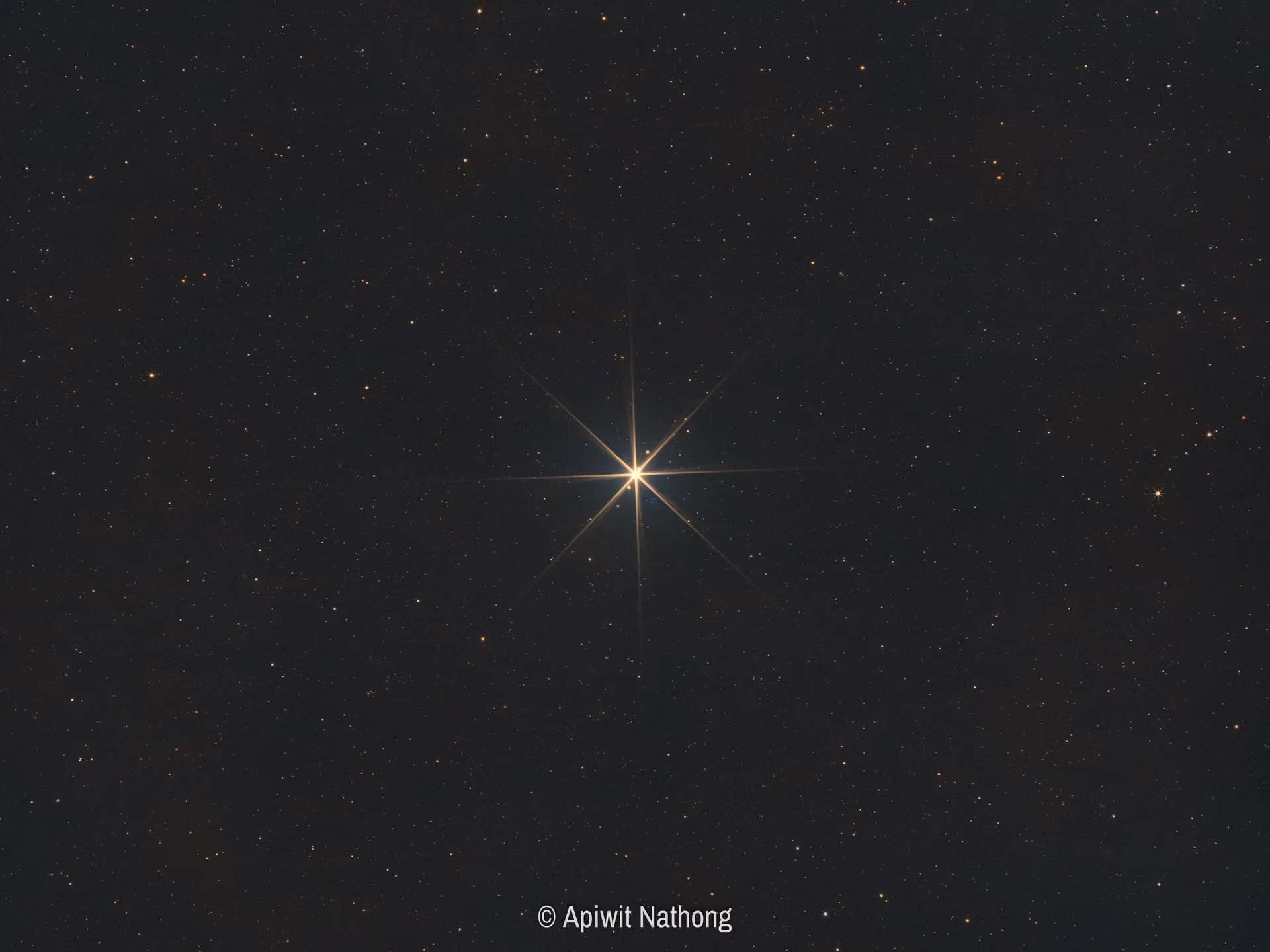
Jupiter
Light travelbetween 33 and 53 minutes
7 of 13
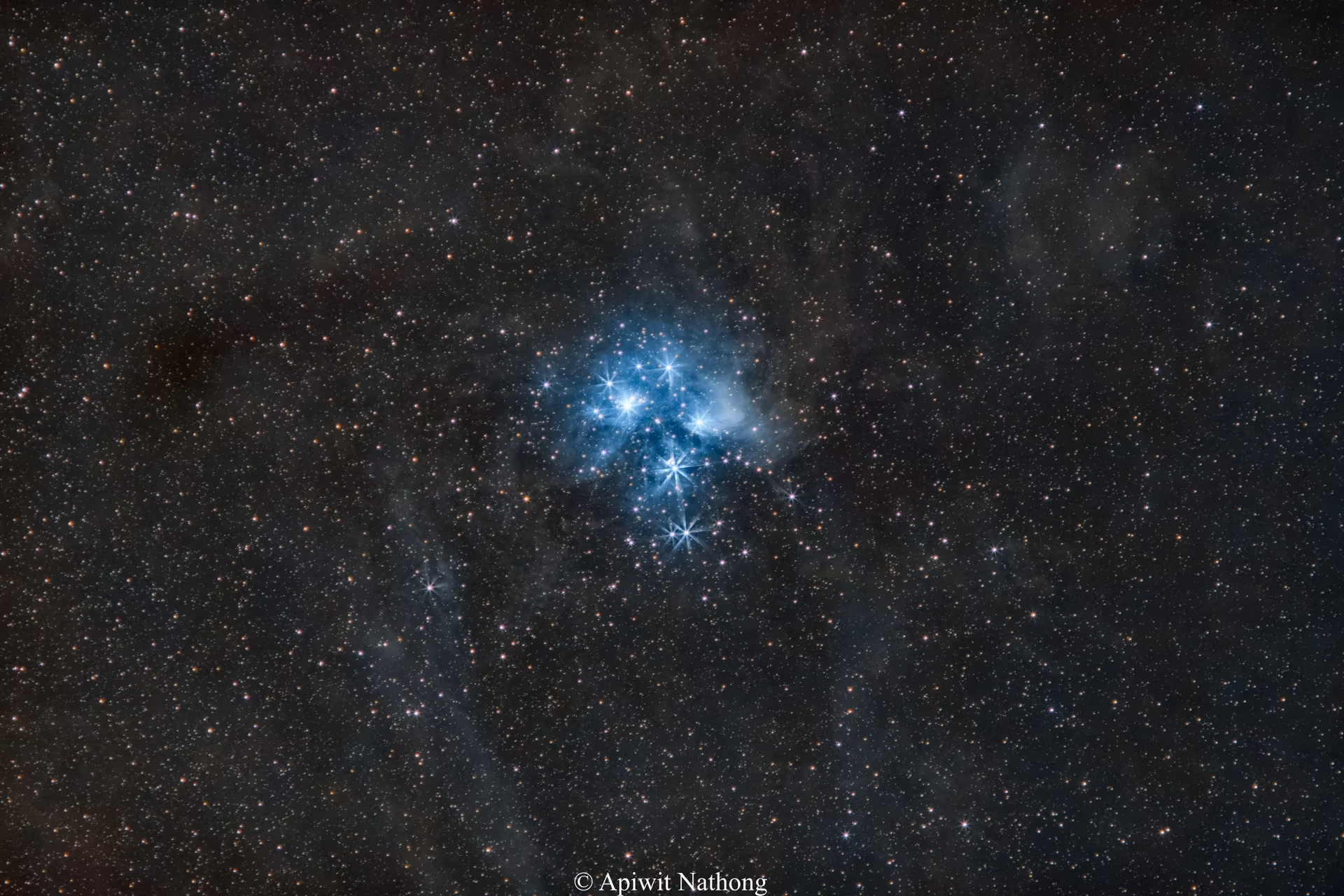
The Pleiades at 135mm
Light travelabout 440 years
8 of 13
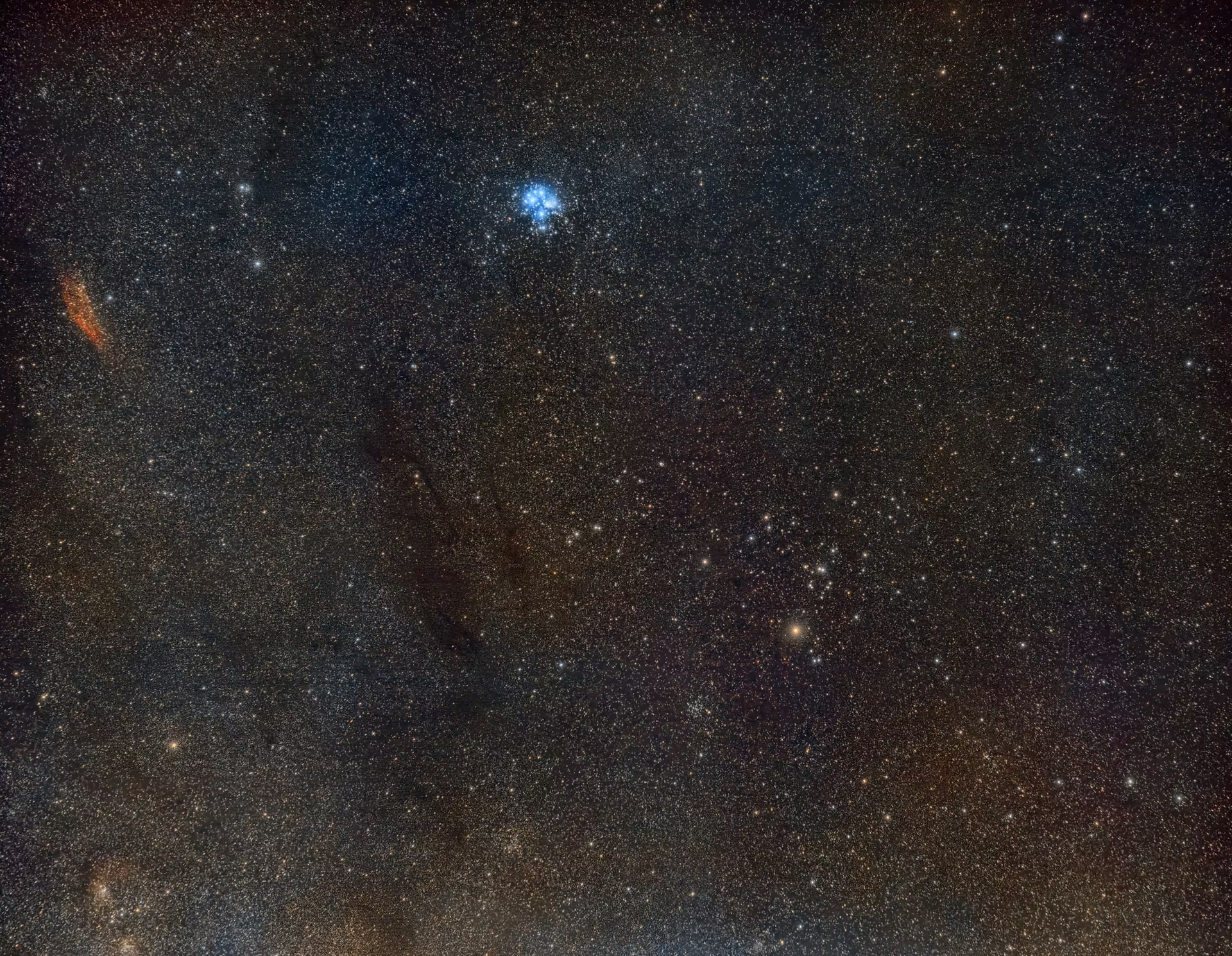
Pleiades, California Nebula and Taurus
Light travel440 to 1,000 years
9 of 13
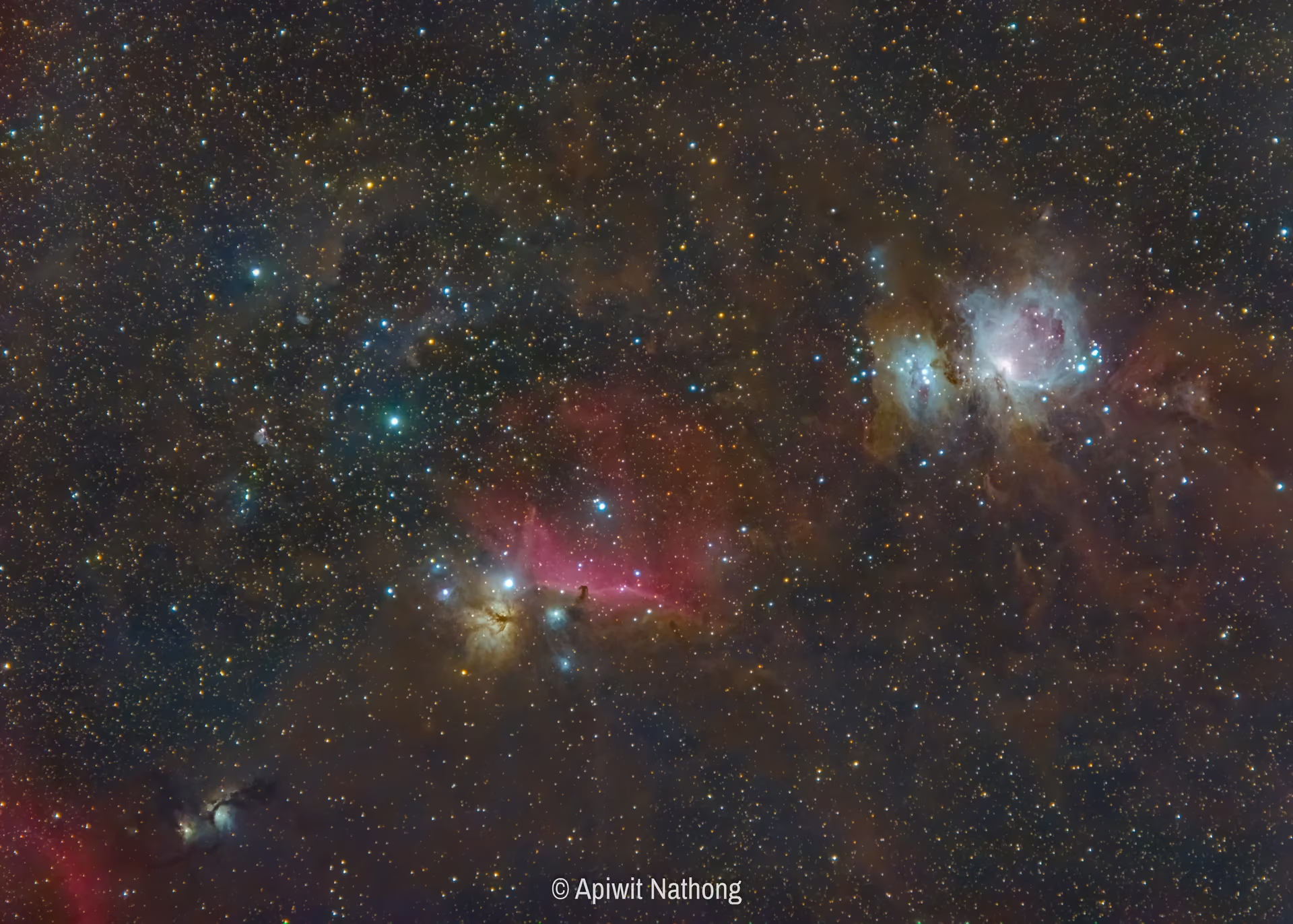
The Belt of Orion
Light travelabout 1,300 to 2,000 years
10 of 13 · 20 December 2023
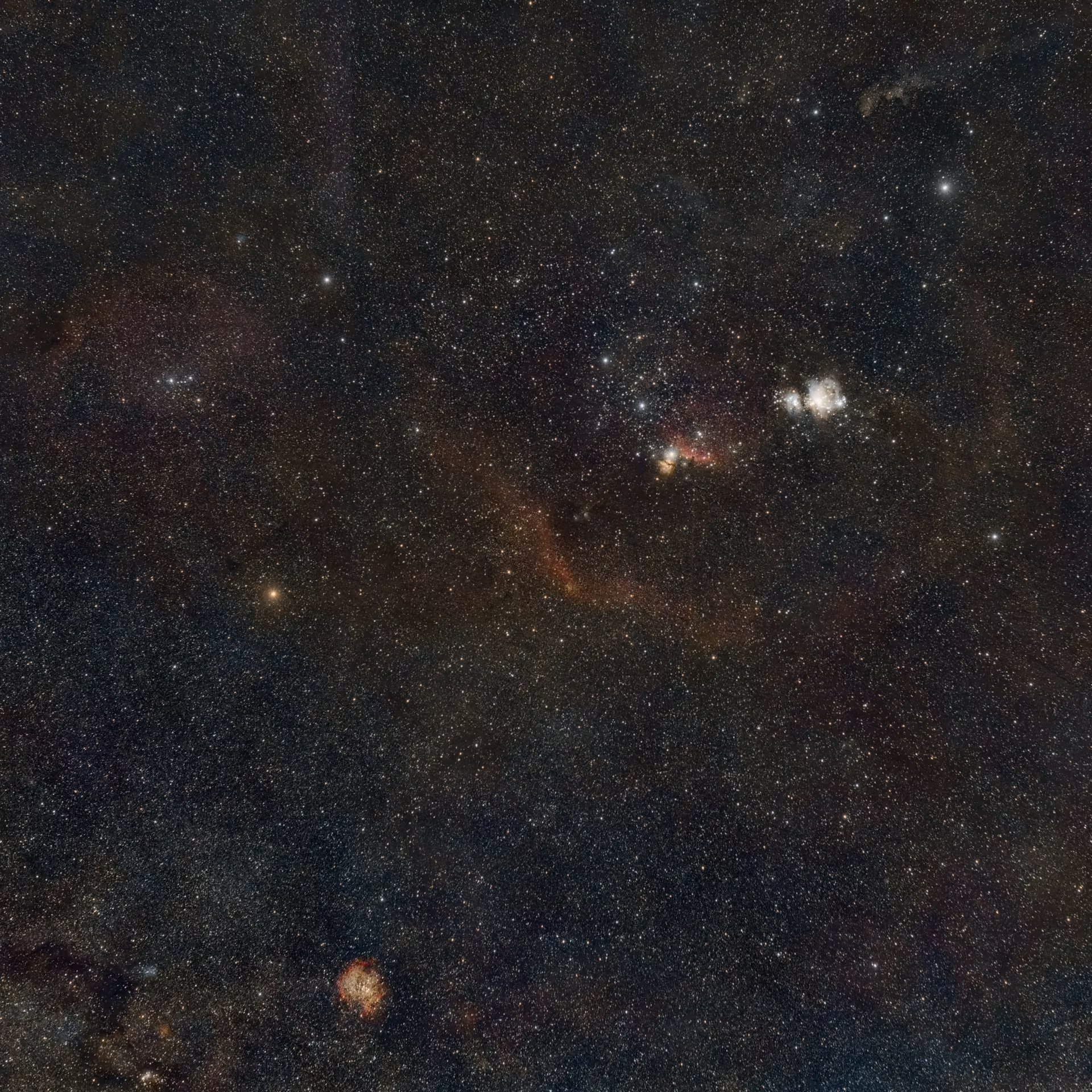
Orion
Light travelfrom hundreds of years to about 1,300
11 of 13
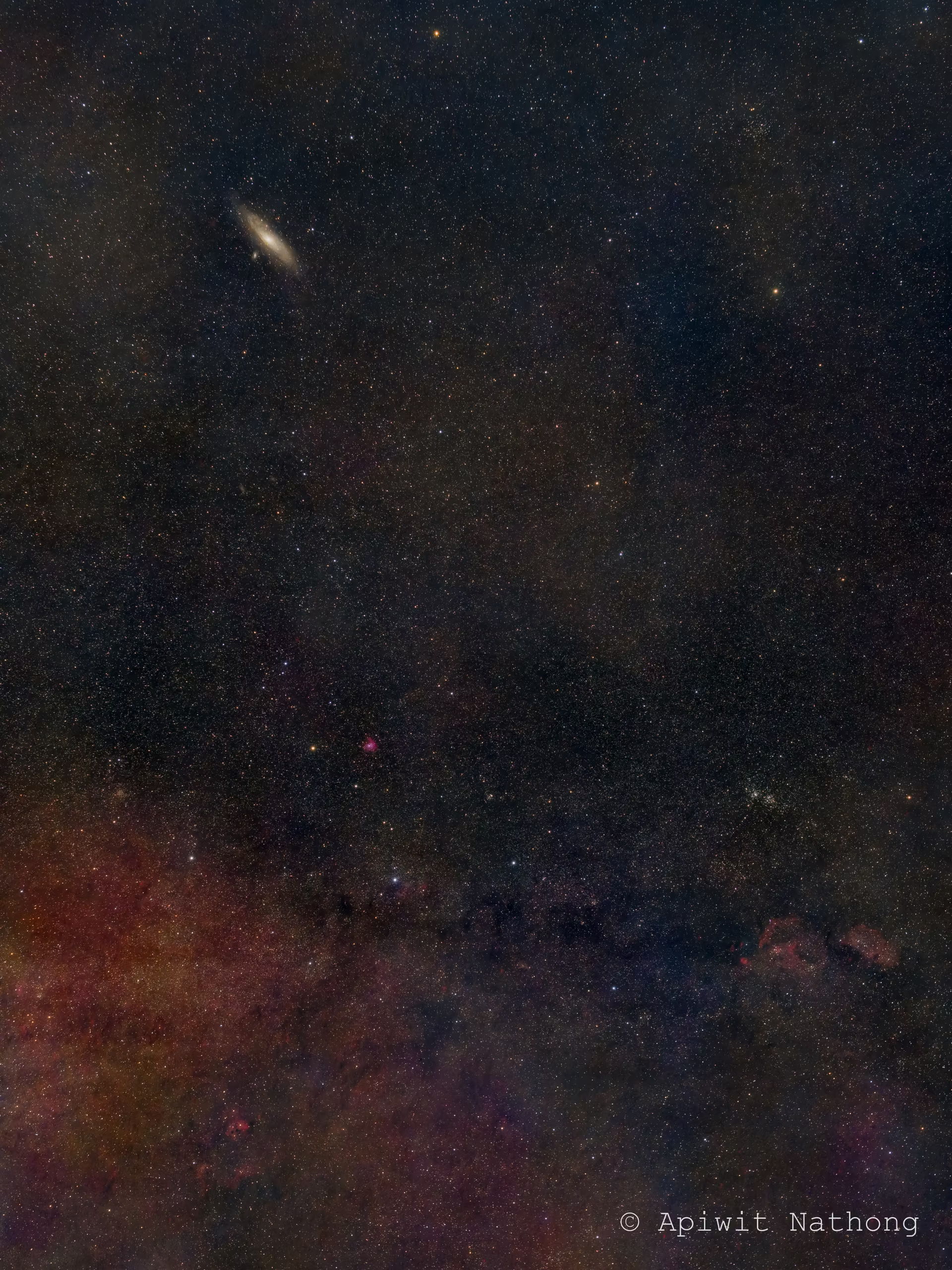
Cassiopeia to Andromeda
Light travelup to 2.5 million years
12 of 13 · 24 November 2025
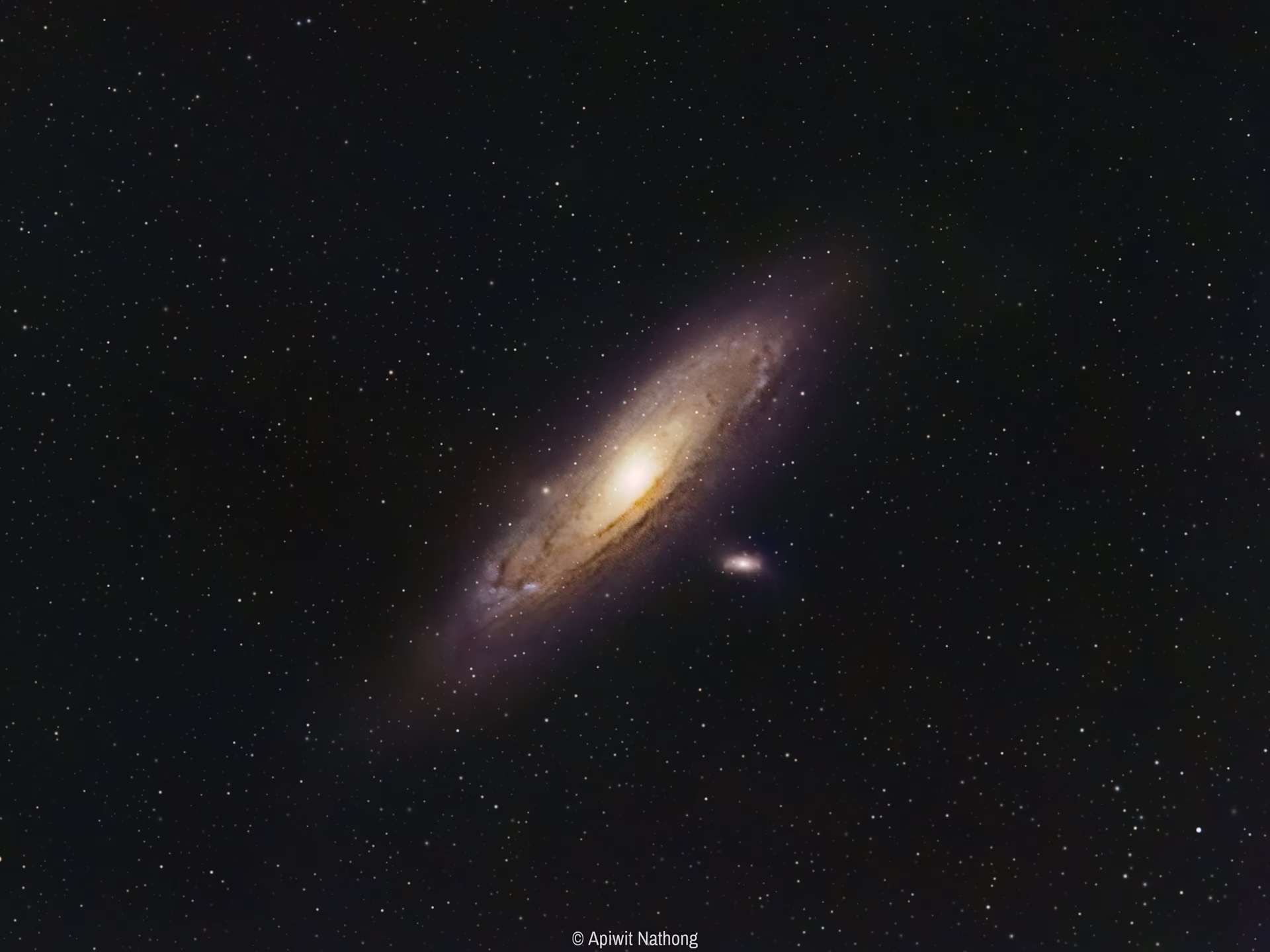
M31, the Andromeda Galaxy
Light travelabout 2.5 million years
13 of 13